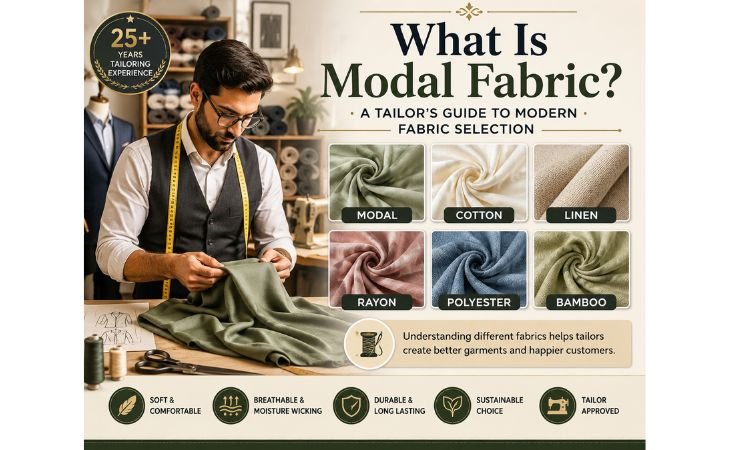
What Is Modal Fabric? If you have ever touched a garment that felt incredibly soft, lightweight, and comfortable, there is a good chance it was made from modal fabric.
In today’s fashion industry, fabric selection is just as important as garment design, and understanding different fabric types helps both tailors and customers make better clothing decisions.
As fashion trends continue to evolve in 2026, fabrics that offer comfort, breathability, durability, and sustainability are becoming increasingly popular.
After working with fabrics for more than 25 years in tailoring, alterations, curtains, and garment construction,
I have learned that the right fabric can completely change how a finished garment looks, feels, and performs.
Modal fabric has gained significant attention because of its silky softness, excellent drape, moisture-wicking properties, and premium appearance.
However, it is only one of several important fabric options that modern tailors should understand.
In this guide, you will learn what modal fabric is, how it compares to other popular fabrics, why many tailors and fashion brands prefer it, and which fabric types every tailor should know in 2026.
Whether you are a beginner, fashion enthusiast, clothing buyer, or professional tailor, this article will help you make smarter fabric choices for better results.
What Is Modal Fabric?
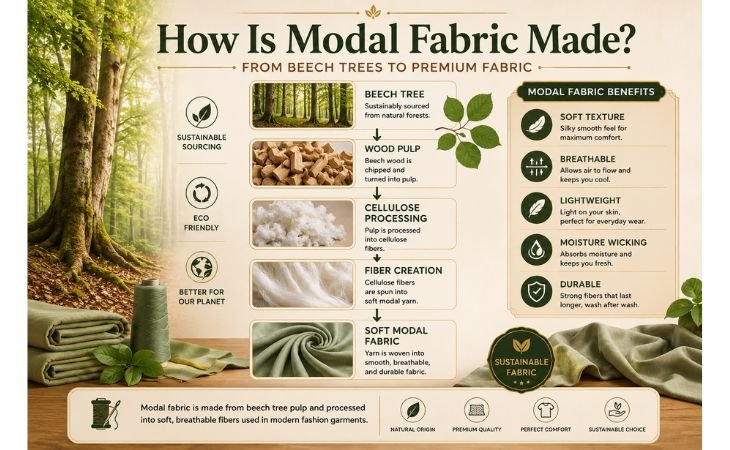
What Is Modal Fabric? Modal fabric is a soft, breathable, and semi-synthetic textile made from the pulp of beech trees.
It belongs to the rayon family but is often considered a premium fabric because of its smooth texture, excellent drape, and long-lasting comfort.
In recent years, modal fabric has become increasingly popular in the fashion industry because it combines the softness of natural fibers with the performance benefits of modern textile technology.
How Modal Fabric Is Produced
The production of modal fabric begins with sustainably sourced beech wood.
The wood pulp is processed into cellulose fibers, which are then spun into yarn and woven into fabric.
Because it originates from natural plant material but undergoes industrial processing, modal is classified as a semi-synthetic fabric.
This unique manufacturing process creates fibers that are exceptionally soft, lightweight, and resistant to shrinkage compared to many traditional fabrics.
Modal Fabric vs Natural Fabrics
Many people compare modal fabric to natural textiles such as cotton and linen.
While cotton is known for its breathability and linen for its durability, modal offers a combination of softness, moisture absorption, and flexibility that makes it highly attractive for modern clothing.
Unlike some natural fabrics that can become rough after repeated washing, modal fabric often maintains its smooth feel and vibrant appearance for a longer period.
Why Modal Fabric Is Growing in Popularity
As consumers become more focused on comfort, sustainability, and quality, modal fabric continues to gain attention in modern fashion.
It is commonly used in T-shirts, dresses, activewear, loungewear, and premium everyday garments because it feels gentle against the skin while providing excellent airflow.
For tailors, designers, and clothing brands, modal fabric offers an attractive balance between comfort, appearance, and performance, making it one of the most talked-about fabric choices in 2026.
Benefits of Modal Fabric
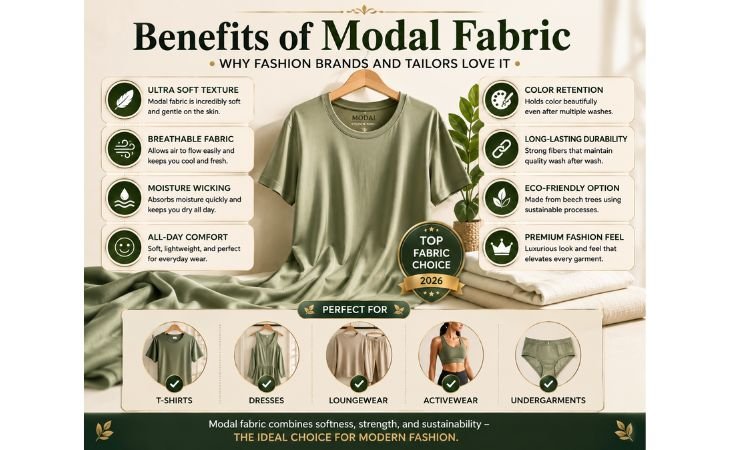
What Is Modal Fabric? without understanding its advantages?
While many fabrics offer comfort or durability, modal fabric stands out because it combines softness, breathability, moisture management, and long-lasting performance in a single textile.
These qualities have made it a popular choice for modern clothing, premium fashion collections, and everyday garments that prioritize both comfort and quality.
Why Modal Fabric Feels So Soft
One of the biggest reasons people love modal fabric is its exceptionally smooth and silky texture.
The fibers are finer than many traditional textiles, creating a fabric that feels gentle against the skin.
Unlike some materials that become rough after repeated washing, modal fabric tends to maintain its softness over time.
This luxurious feel makes it especially popular for T-shirts, dresses, loungewear, sleepwear, and other garments designed for all-day comfort.
Comfort and Breathability Benefits
Comfort is one of the most important factors in fabric selection, and modal performs extremely well in this area.
The fabric is highly breathable, allowing air to circulate more effectively than many synthetic materials.
It also has excellent moisture-wicking properties, helping absorb and release moisture quickly.
As a result, modal clothing often feels cooler, fresher, and more comfortable in warm weather, making it a practical choice for everyday wear and active lifestyles.
Durability and Color Retention
Despite its soft feel, modal fabric is surprisingly durable.
The fibers are designed to resist shrinking, stretching, and pilling better than many common fabrics.
Another major advantage is color retention.
Modal fabric absorbs dyes effectively, allowing garments to maintain vibrant colors even after multiple washes.
For tailors and clothing manufacturers, this means garments can continue looking fresh and professional for a longer period.
Sustainability and Environmental Impact
As sustainability becomes a growing concern in the fashion industry, many consumers are looking for eco-friendly fabric options.
Because modal fabric is produced from renewable beech tree pulp, it is often considered a more environmentally conscious choice than some petroleum-based synthetic fabrics.
Many manufacturers also use responsible production methods that reduce water consumption and environmental impact.
While no fabric is completely perfect, modal has earned a reputation as one of the more sustainable and modern textile options available in 2026.
Modal Fabric vs Cotton
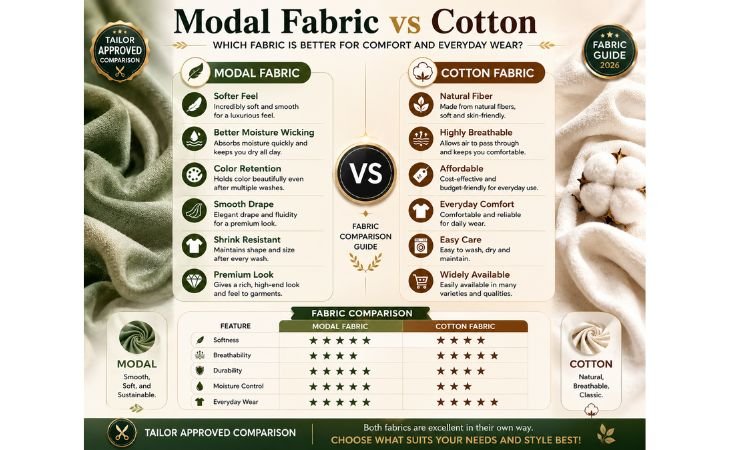
What Is Modal Fabric? often becomes an important question when people start comparing it to cotton, one of the most widely used fabrics in the world.
Both fabrics are comfortable, breathable, and popular for everyday clothing, but they offer different advantages depending on how the garment will be used.
Understanding the differences between modal and cotton can help tailors, fashion designers, and clothing buyers make better fabric choices.
Which Fabric Is More Comfortable?
When it comes to softness, modal fabric usually has an advantage over traditional cotton.
Modal fibers are exceptionally smooth and silky, giving garments a luxurious feel against the skin.
Cotton is naturally soft and comfortable, but modal often feels lighter and more fluid.
This is one reason why many premium fashion brands use modal in products such as T-shirts, sleepwear, activewear, and loungewear.
Both fabrics offer excellent breathability, but modal has stronger moisture-management properties.
It absorbs moisture efficiently and releases it quickly, helping garments feel cooler and drier throughout the day.
For people living in warm climates or wearing clothing for extended periods, this can be a significant benefit.
Modal vs Cotton for Daily Clothing
For everyday wear, both modal and cotton perform well, but they create slightly different experiences.
Cotton is known for its natural comfort, versatility, and affordability, making it a reliable choice for casual clothing.
Modal, on the other hand, provides a smoother drape, a more polished appearance, and enhanced softness that many people associate with premium-quality garments.
In tailoring, modal fabric is often chosen for clothing that requires a refined look and comfortable movement.
Cotton remains a favorite for practical, durable garments, while modal is frequently selected for pieces where comfort and appearance are equally important.
Which Fabric Lasts Longer?
Durability depends on fabric quality and garment care, but modal fabric generally offers better resistance to shrinking and pilling than many standard cotton fabrics.
It also retains color more effectively, helping garments maintain their fresh appearance after repeated washing.
Cotton remains highly durable and dependable, but some varieties may lose softness or fade more quickly over time.
For tailors, the choice between modal and cotton is rarely about which fabric is better overall. Instead, it is about selecting the right material for the garment’s purpose.
Cotton remains a timeless classic, while modal represents a modern fabric solution that combines comfort, performance, and contemporary fashion appeal.
Why Tailors Like Modal Fabric
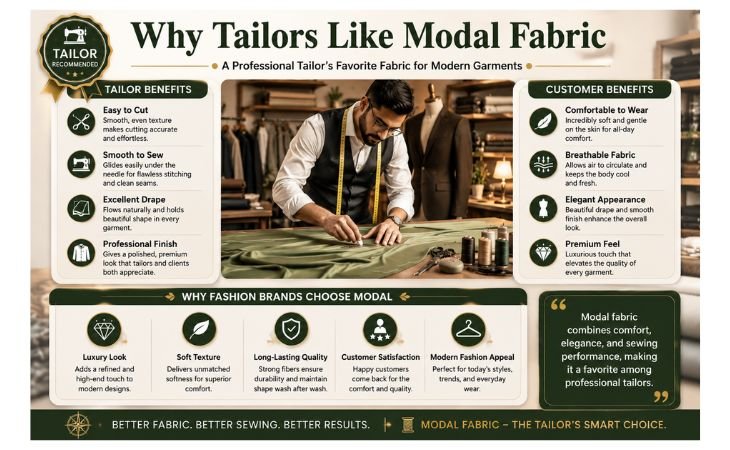
What Is Modal Fabric? and why has it become a favorite among many professional tailors?
Beyond its softness and comfort, modal fabric offers practical advantages during garment construction and provides a premium finished look that customers appreciate.
As fashion trends continue to evolve in 2026, more designers, clothing brands, and tailors are choosing modal because it combines style, performance, and customer satisfaction in one versatile fabric.
Sewing Experience with Modal Fabric
From a tailor’s perspective, modal fabric is often enjoyable to work with because of its smooth texture and natural drape.
The fabric flows beautifully, making it suitable for garments that require movement and elegance.
Unlike some stiff materials that can create bulky seams or uncomfortable fits, modal fabric helps create clothing that feels light and comfortable while maintaining a polished appearance.
After working with different fabric types for many years, I have noticed that fabrics with good draping qualities often produce garments that fit better and look more refined.
This is one reason why modal fabric continues to gain popularity among modern tailors and fashion professionals.
Best Garments Made from Modal
Modal fabric is commonly used for a wide range of clothing items, including T-shirts, dresses, blouses, loungewear, activewear, sleepwear, and casual fashion pieces.
Its soft feel and fluid movement make it particularly suitable for garments that are worn close to the skin.
Because modal offers both comfort and style, customers often associate it with premium-quality clothing and luxury everyday wear.
The fabric also performs well in designs that require a smooth silhouette and elegant drape, making it a valuable option for fashion-forward collections and modern garment construction.
Why Fashion Brands Use Modal
Fashion brands are constantly searching for fabrics that deliver comfort, durability, and visual appeal.
Modal fabric meets all three requirements while also supporting the growing demand for sustainable and high-quality clothing.
Its ability to retain color, resist shrinkage, and maintain softness after repeated washing makes it an attractive choice for manufacturers and retailers.
Customer satisfaction is another major reason for its popularity.
People want clothing that feels comfortable, looks stylish, and lasts longer. Because modal fabric performs well in all of these areas, it has become one of the most trusted fabric options in today’s fashion industry.
For tailors, choosing modal can help create garments that not only look professional but also leave a lasting positive impression on clients.
Top Fabric Types Every Tailor Should Know in 2026
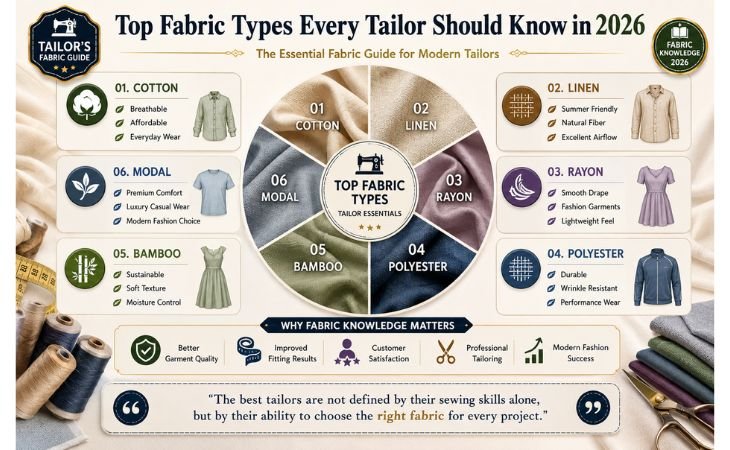
What Is Modal Fabric? is an important question for modern tailors, but true fabric expertise goes far beyond understanding a single material.
Every fabric has unique characteristics that affect comfort, appearance, durability, garment performance, and customer satisfaction.
The most successful tailors know how to match the right fabric to the right project.
In 2026, understanding a variety of fabric types can help create better garments, improve fitting results, and meet the changing demands of the fashion industry.
Cotton Fabric
Cotton remains one of the most popular and widely used fabrics in the world.
It is breathable, comfortable, affordable, and suitable for a wide range of clothing styles.
Because cotton allows air to circulate naturally, it performs well in everyday wear and warm-weather clothing.
Tailors often recommend cotton for shirts, casual dresses, children’s clothing, and daily-use garments because it combines comfort with practicality.
Linen Fabric
Linen is a natural fabric known for its lightweight feel, distinctive texture, and excellent airflow.
It is especially popular during hot summer months because it helps keep the body cool and comfortable.
While linen wrinkles more easily than some fabrics, many people appreciate its relaxed and natural appearance.
Tailors frequently use linen for summer shirts, lightweight trousers, dresses, and resort wear where breathability is a priority.
Rayon Fabric
Rayon is valued for its soft drape and elegant appearance.
It flows beautifully and creates garments with a smooth, fashionable silhouette.
Because rayon is lightweight and comfortable, it is often used in blouses, dresses, skirts, and fashion-focused clothing collections.
Many designers choose rayon when they want garments to look refined without adding excessive weight or stiffness.
Polyester Fabric
Polyester continues to be a popular choice because of its durability, wrinkle resistance, and easy maintenance.
Modern polyester fabrics have improved significantly and can offer comfort while maintaining their shape over time.
This fabric is commonly used in uniforms, sportswear, performance clothing, and garments that require long-lasting durability.
For customers looking for low-maintenance clothing, polyester remains a practical option.
Bamboo Fabric
Bamboo fabric has gained attention as a sustainable textile option.
It is known for its softness, moisture control, and comfortable feel against the skin.
Many consumers appreciate bamboo fabric because it combines comfort with environmental awareness.
It is commonly used in activewear, undergarments, sleepwear, and casual clothing where breathability and moisture management are important.
Modal Fabric
Among modern textile options, modal fabric stands out for its premium comfort and luxurious feel.
Its silky softness, excellent drape, moisture-wicking performance, and color retention make it a favorite among fashion brands and professional tailors.
Modal is frequently used in luxury casual wear, premium T-shirts, dresses, loungewear, and high-quality everyday clothing.
As consumer demand for comfortable and stylish garments continues to grow, modal fabric remains one of the most valuable fabric choices for tailors in 2026.
For professional tailors, the goal is not simply to know one fabric well but to understand how different fabrics perform in different situations.
The more fabric knowledge you have, the easier it becomes to create garments that look better, fit better, and keep customers satisfied.
Best Uses of Modal Fabric
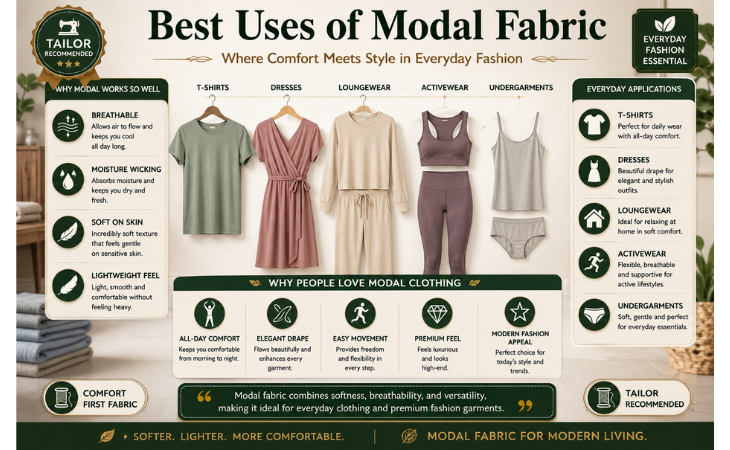
What Is Modal Fabric? best used for? One of the reasons modal has become so popular in modern fashion is its versatility.
Its softness, breathability, moisture-wicking properties, and elegant drape make it suitable for a wide variety of clothing categories.
From casual everyday essentials to premium fashion garments, modal fabric delivers a combination of comfort and style that appeals to both consumers and clothing professionals.
Everyday Clothing Applications
Modal fabric is commonly used in everyday clothing because it feels lightweight and comfortable against the skin.
T-shirts made from modal are especially popular due to their softness and ability to maintain their shape after repeated washing.
Many people prefer modal for daily wear because it offers a smoother feel than many traditional fabrics while remaining breathable throughout the day.
Dresses made from modal fabric also benefit from its natural drape and flexibility.
The fabric flows beautifully, creating flattering silhouettes that work well for both casual and semi-formal fashion styles.
Because of its comfort and elegant appearance, modal has become a favorite choice for modern women’s fashion.
Fashion Industry Uses
The fashion industry values modal fabric because it combines luxury with practicality.
Designers frequently use modal in blouses, skirts, tops, and contemporary fashion collections where comfort and appearance are equally important.
Its ability to absorb dyes effectively also allows brands to create garments with rich, vibrant colors that remain attractive over time.
Modal is often blended with cotton, elastane, and other fibers to enhance garment performance while maintaining softness and flexibility.
These blends help create stylish clothing that meets the expectations of today’s fashion-conscious consumers.
Premium Clothing Categories
Modal fabric is widely used in premium clothing categories where comfort is a top priority.
Loungewear and sleepwear manufacturers often choose modal because it feels exceptionally soft and breathable, making it ideal for extended wear.
The fabric’s moisture-management properties also make it a popular option for activewear, helping wearers stay comfortable during exercise and daily activities.
Undergarments are another area where modal performs exceptionally well.
Its smooth texture reduces irritation and provides a comfortable fit, which is why many premium underwear brands include modal in their product lines.
For tailors and fashion professionals, modal fabric represents an excellent choice for garments that require comfort, elegance, and a premium customer experience.
Whether used in T-shirts, dresses, loungewear, activewear, undergarments, or modern fashion pieces, modal continues to be one of the most versatile fabric options available in 2026.
How to Choose the Right Fabric for Your Project
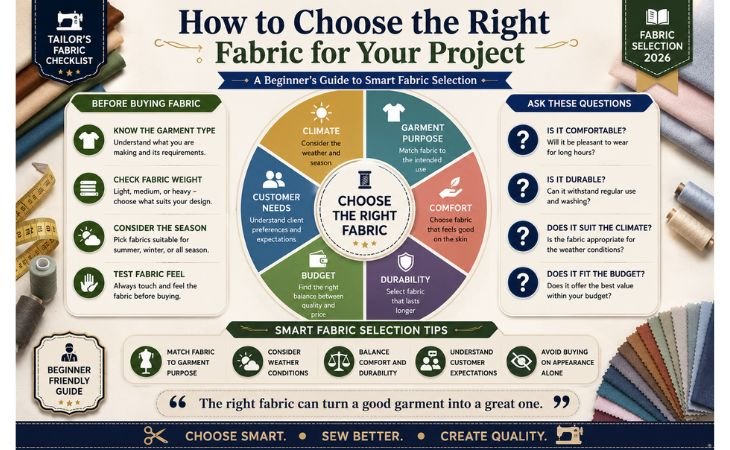
What Is Modal Fabric? is an important question, but choosing the right fabric for a specific project requires understanding much more than a fabric’s name.
Whether you are creating a custom garment, launching a fashion collection, or selecting materials for everyday clothing, the success of the finished piece depends heavily on fabric selection.
Professional tailors consider factors such as garment purpose, climate, comfort, durability, budget, and customer expectations before making a recommendation.
Fabric Selection Tips for Beginners
For beginners, one of the most effective ways to choose fabric is to start with the intended purpose of the garment.
A fabric that works well for a summer dress may not be suitable for a winter jacket, and a material designed for activewear may perform differently than one used for formal clothing.
It is also important to consider comfort and wearability.
Soft, breathable fabrics such as cotton, modal, and bamboo are often preferred for garments that will be worn for long periods.
On the other hand, fabrics with added durability and wrinkle resistance may be more practical for uniforms, workwear, or travel clothing.
Matching Fabric to Garment Type
Every garment performs best when paired with the right fabric.
Lightweight and breathable fabrics are ideal for T-shirts, dresses, and summer clothing, while structured fabrics may be better suited for jackets, trousers, and formal garments.
Modal fabric, for example, is an excellent choice for garments that require softness, elegant drape, and everyday comfort.
Climate also plays a major role in fabric selection.
In warmer regions, breathable fabrics such as linen, cotton, bamboo, and modal help improve comfort by promoting airflow and moisture management.
In cooler environments, heavier fabrics may provide better insulation and structure.
As a tailor, I have learned that matching fabric characteristics to the garment’s purpose often produces better results than simply choosing the most expensive material available.
Common Fabric Buying Mistakes
One of the most common mistakes people make is selecting fabric based only on appearance.
A fabric may look attractive in the store but perform poorly when used for the wrong garment type.
Another frequent mistake is ignoring durability requirements.
Some projects need fabrics that can withstand frequent washing and daily wear, while others prioritize style and comfort.
Budget is another important consideration.
The most expensive fabric is not always the best option.
The goal is to find a material that meets the customer’s needs while providing the right balance of quality, comfort, performance, and value.
By understanding fabric properties and matching them to garment requirements, tailors can create clothing that not only looks professional but also performs well throughout its lifespan.
This approach leads to better customer satisfaction and higher-quality finished garments.
Common Fabric Selection Mistakes Tailors Should Avoid
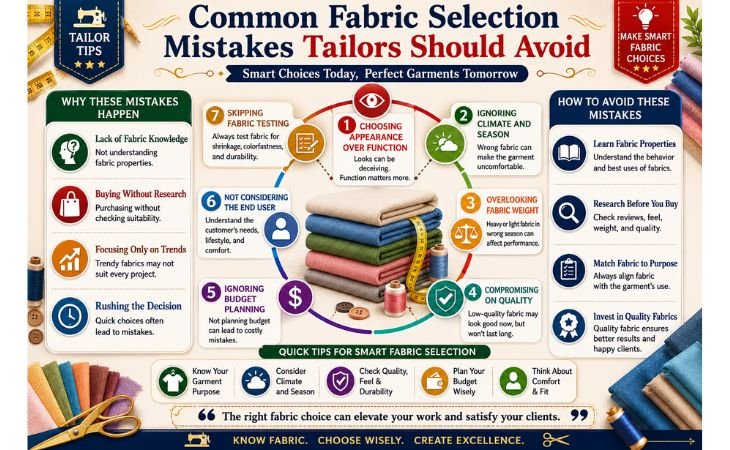
What Is Modal Fabric? is a useful question for anyone interested in clothing and textiles, but understanding fabric properties is only part of becoming skilled at fabric selection.
Over the years, I have seen many beginners, and even experienced clothing buyers, make avoidable mistakes when choosing materials for their projects.
A fabric may look attractive in a shop, but if it does not match the garment’s purpose, climate, or performance requirements, the final result can be disappointing.
Choosing Appearance Over Function
One of the most common mistakes is selecting fabric based solely on how it looks.
Beautiful colors, attractive patterns, and luxurious textures can easily influence buying decisions.
However, fabric function is often more important than appearance.
A fabric that looks impressive on a display rack may not provide the comfort, durability, or performance required for the finished garment.
Professional tailors evaluate both appearance and functionality before making a recommendation. The best garments combine visual appeal with practical performance.
Ignoring Fabric Weight
Fabric weight has a significant impact on how a garment fits, drapes, and feels when worn.
Lightweight fabrics such as modal, rayon, and linen create flowing silhouettes and breathable clothing, while heavier fabrics provide structure and durability.
Choosing the wrong fabric weight can affect the overall appearance of a garment.
For example, using a heavy fabric for a summer dress may make it uncomfortable,
while using an extremely lightweight fabric for a structured jacket may prevent it from holding its intended shape.
Poor Climate Matching
Climate should always be considered when selecting fabric.
Breathable materials such as cotton, linen, bamboo, and modal perform well in warm environments because they allow better airflow and moisture management.
In contrast, heavier fabrics may be more suitable for cooler weather conditions.
Many fabric selection problems occur because buyers focus on style while overlooking the environment in which the garment will actually be worn.
Matching fabric characteristics to climate improves comfort and garment performance.
Wrong Stretch Expectations
Another common mistake is misunderstanding how much stretch a fabric provides.
Some materials naturally offer flexibility, while others have very little stretch unless blended with fibers such as elastane or spandex.
Assuming that every soft fabric will stretch comfortably can lead to fitting issues and customer dissatisfaction.
Before cutting fabric, tailors should always understand how the material behaves during movement, washing, and long-term wear.
Skipping Fabric Testing
Perhaps the most expensive mistake is purchasing fabric without testing it first.
Whenever possible, fabric should be examined for softness, durability, shrinkage potential, colorfastness, and overall quality.
Even experienced tailors benefit from testing unfamiliar fabrics before using them in important projects.
After many years in tailoring, I have learned that a few minutes of fabric testing can prevent hours of alterations, customer complaints, and unnecessary expenses later.
Taking the time to evaluate fabric properly is one of the simplest ways to achieve better garment results.
By avoiding these common fabric selection mistakes, tailors can improve garment quality, increase customer satisfaction, and make more confident fabric choices for every project.
Where to Learn More About Fabric Types
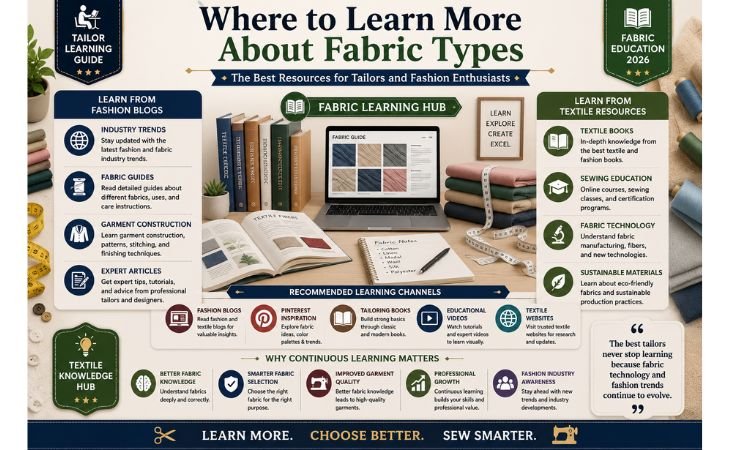
What Is Modal Fabric? is often the starting point for learning about modern textiles, but becoming knowledgeable about fabrics requires continuous learning and research.
The fashion and textile industries evolve constantly, introducing new materials, sustainable production methods, and innovative fabric technologies.
Whether you are a beginner, fashion enthusiast, sewing student, or professional tailor, investing time in fabric education can significantly improve your garment-making skills and fabric selection decisions.
Fashion Blogs and Textile Resources
One of the easiest ways to expand your fabric knowledge is by reading high-quality fashion blogs and textile education websites.
These resources often provide detailed information about fabric properties, garment construction, fabric comparisons, sustainability trends, and clothing care techniques.
Staying updated with industry publications can help you understand how fabric innovations influence modern fashion and consumer preferences.
Tailoring Books and Professional Learning
Traditional tailoring books remain valuable learning tools because they explain fabric behavior, garment construction, pattern making, and sewing techniques in greater detail.
Many professional tailors continue to rely on textile reference guides and garment construction manuals to improve their technical knowledge.
As someone who has spent years working with different fabric types,
I have learned that combining practical experience with continuous education creates the strongest foundation for long-term success in tailoring.
Pinterest Inspiration and Trend Research
Pinterest has become one of the most useful platforms for discovering fashion inspiration, fabric trends, color combinations, and garment styling ideas.
Many designers, brands, and fashion creators share visual content that helps tailors stay informed about current industry preferences.
Industry trend research is equally important.
Understanding what customers are wearing and what fashion brands are producing can help tailors make better recommendations and create garments that align with modern market demand.
Continue Your Fashion Education
If you would like to learn more about garment fitting, styling, and tailoring concepts, you may also find these educational resources helpful:
- Explore our Body Shape Guides to understand how clothing fits different body types.
- Read our Fashion Trend Articles to stay updated with modern clothing styles and seasonal trends.
- Browse our Tailoring Education Posts for practical sewing, fabric, and garment construction knowledge.
The more you learn about fabrics, garment design, and customer needs, the more confident you become when selecting materials for future projects.
Fabric knowledge is one of the most valuable skills a tailor can develop, and it continues to pay dividends throughout an entire tailoring career.
Final Thoughts
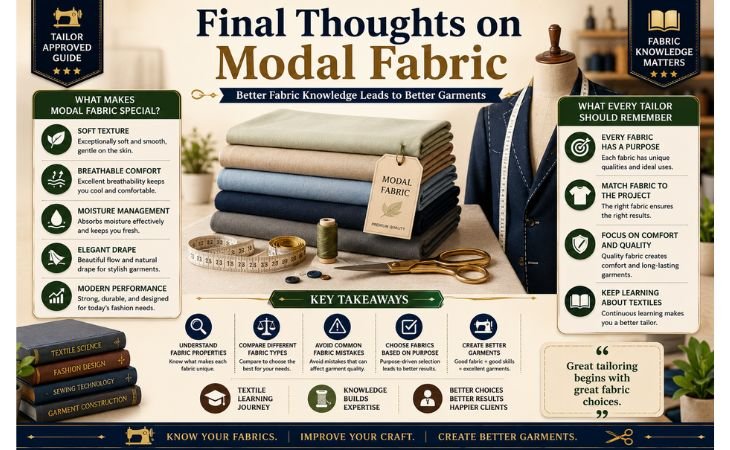
What Is Modal Fabric? is more than just a question about a single textile, it is an opportunity to better understand how fabric selection influences comfort, garment quality, durability,
and overall customer satisfaction.
As we have explored throughout this guide, modal fabric offers exceptional softness, breathability, moisture management,
and modern performance benefits, making it one of the most valuable fabric choices available in 2026.
However, modal fabric is not the only material that deserves attention.
Successful tailors understand that every fabric serves a different purpose.
Cotton provides everyday comfort, linen offers excellent breathability, rayon creates elegant drape, polyester delivers durability, and bamboo supports sustainable fashion.
The key is not choosing one fabric for every project but understanding which fabric works best for a specific garment, climate, and customer need.
From my experience working with fabrics and garment construction over many years, I have learned that fabric knowledge is one of the most important skills a tailor can develop.
Better fabric choices lead to better garment performance, improved fitting results, longer-lasting clothing, and happier customers.
A well-designed garment can only perform at its best when it is paired with the right fabric.
For beginners, learning about fabric types may seem overwhelming at first, but every project provides an opportunity to gain more experience and confidence.
The more you understand fabric behavior, texture, stretch, durability, and comfort, the easier it becomes to create professional-quality garments that stand out.
If you are interested in improving your tailoring knowledge further, be sure to explore our educational resources on body shapes, fashion trends, garment fitting, and tailoring techniques.
Building strong fabric knowledge today can give tailors, designers, and clothing enthusiasts a valuable professional advantage for years to come.
Need guidance on fabric selection, garment planning, or tailoring-related projects?
Visit our consulting page to learn more about our tailoring and fashion guidance services.
Frequently Asked Questions
What is modal fabric made from?
Modal fabric is made from cellulose fibers derived from beech tree pulp.
It is considered a semi-synthetic fabric because it originates from natural plant material but undergoes a specialized manufacturing process to create soft, durable fibers.
Is modal fabric better than cotton?
Neither fabric is universally better than the other.
Modal is generally softer, more resistant to shrinking, and better at moisture management, while cotton is highly breathable, affordable, and widely available.
The best choice depends on the garment’s purpose and personal preference.
Is modal fabric good for summer?
Yes. Modal fabric is an excellent choice for summer clothing because it is lightweight, breathable, and effective at absorbing and releasing moisture.
These qualities help keep the wearer cool and comfortable in warm weather.
Does modal fabric shrink after washing?
High-quality modal fabric is designed to resist shrinking better than many traditional fabrics.
However, proper washing and care instructions should always be followed to maintain the garment’s shape and appearance over time.
What clothing is modal fabric used for?
Modal fabric is commonly used in T-shirts, dresses, activewear, loungewear, sleepwear, undergarments, and premium casual clothing.
Its softness and flexibility make it suitable for garments that prioritize comfort and movement.
Why do tailors like modal fabric?
Many tailors appreciate modal fabric because of its smooth drape, premium feel, color retention, and customer appeal.
It helps create garments that look elegant, feel comfortable, and maintain their quality after repeated wear and washing.
Is modal fabric environmentally friendly?
Modal is often considered a more sustainable fabric option than many petroleum-based synthetic materials because it is produced from renewable beech tree pulp.
Some manufacturers also use environmentally responsible production processes to reduce resource consumption.
What are the best fabric types for tailors in 2026?
Some of the most important fabric types for tailors in 2026 include modal, cotton, linen, rayon, polyester, and bamboo fabric.
Each material offers unique advantages, and the best choice depends on the garment type, climate, comfort requirements, durability expectations, and customer preferences.
Further Reading
If you would like to learn more about textile fibers, fabric manufacturing, and sustainable fabric production, you can explore this educational resource:
Textile Exchange ;
A respected nonprofit organization that provides information about sustainable fibers, textiles, and responsible sourcing.
Pingback: Top Trending Dresses for Women 2025 | My Tailor Blog
Pingback: "How to Choose the Perfect Fabric for Any Dress – A Beginner