Why Body Understanding Matters
↓
The Tailor’s Perspective
↓
Core Body Shape System
↓
How Fit Builds Confidence
↓
How This Applies to Real Clothing
↓
How to Use This Knowledge (Practical Steps)
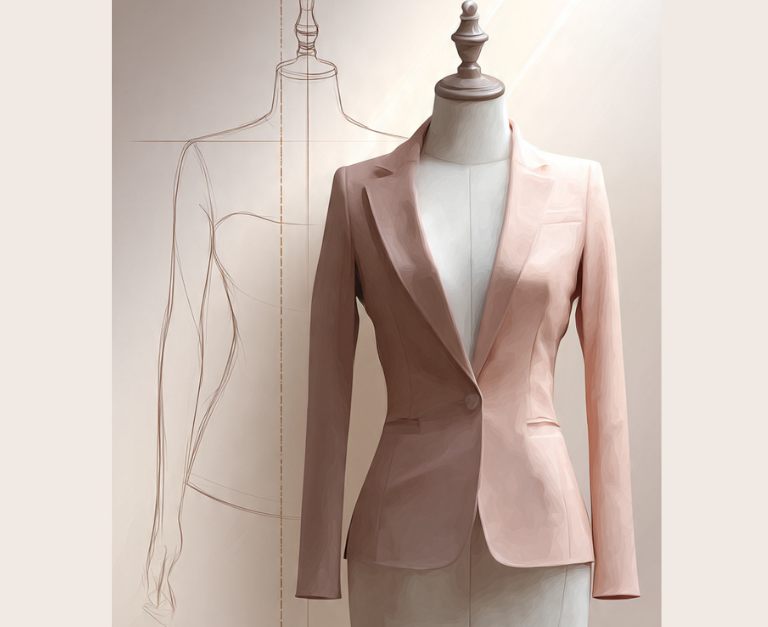
tailor’s practical guide to fit, balance, and confidence.
Understanding your body is not about labels or sizes.
It is about learning how fabric, cut, and proportion interact with a real human form.
When clothing works with the body instead of against it, confidence follows naturally.
Why Understanding Your Body Comes Before Fashion
Many people believe style starts with trends.
In reality, style begins with the body.
Two people can wear the same outfit, yet one feels confident while the other feels uncomfortable.
The difference is not the clothes, it is how well the clothing respects body structure.
The Tailor’s Perspective on Body Shape
A tailor does not design in abstraction.
A tailor designs on a body.
Years of fitting garments teaches one truth: every body has balance points, strength areas, and proportions that must be respected.
This guide is written from that practical perspective, not theory alone, but real fitting experience.
Core Body Shape Framework
Below is a practical framework used to understand body proportions.
Each shape is explained in detail in its own guide.
How the Right Fit Builds Confidence
When fit improves, posture improves.
When posture improves, presence improves.
From Body Knowledge to Real Clothing Choices
Understanding your body helps you choose better jackets, dresses, blazers, and everyday outfits.
Instead of asking “Is this fashionable?” the question becomes, “Does this respect my structure?”
How to Use This Guide
▪ Identify your general body structure
▪ Read the related body shape guide
▪ Apply the principles when shopping or tailoring
▪Build a wardrobe that feels intentional, not forced
Style Begins with Understanding
Style is not about hiding your body.
It is about understanding it.
When clothing aligns with structure, confidence becomes effortless.
Core Body Shape System
Every body has a natural structure.
When clothing respects that structure, style feels effortless instead of forced.
The Core Body Shape System is not about labels or perfection.
It is a practical way to understand balance, proportion, and visual harmony, the same principles tailors have used for generations.
This system helps you stop guessing and start choosing clothes that work with your body, not against it.
Why Body Shape Matters More Than Trends
Trends change every season.
Your body does not.
That is why the same outfit can look confident and polished on one person, but awkward on another.
The difference is rarely the outfit, it is the body shape underneath and how the garment is cut to support it.
Understanding your body shape allows you to:
Create visual balance
Highlight strengths naturally
Avoid unnecessary alterations or discomfort
The Core Female Body Shapes
(Tailor’s Perspective)
From a tailoring point of view, most women fall into a few core body structures.
Each shape has its own balance points, fitting needs, and styling logic.
Below is the foundation of the system:
▸ Rectangle Body Shape
Balanced shoulders, waist, and hips with minimal curves.
Focus: creating shape through structure and layering.
 Rectangle body shape
▸ Pear Body Shape
Hips wider than shoulders with a defined lower body.
Focus: balancing the upper and lower silhouette.
▸ Hourglass Body Shape
Balanced shoulders and hips with a naturally defined waist.
Focus: maintaining proportion without over-emphasis.
▸ Apple Body Shape
Fullness around the midsection with slimmer legs or shoulders.
Focus: vertical lines and clean structure.
This Is a System, Not a Category
Body shapes are guidelines, not boxes.
Many women sit between two shapes, and that is completely normal.
A professional approach looks at:
Overall proportions
Bone structure
Fabric behavior
Fit and movement
That is why this system is designed to be flexible and practical, not restrictive.
How to Use This System in Real Life
You do not need a new wardrobe.
You need better decisions.
Use this system to:
Choose better cuts before buying
Understand what to tailor and what to avoid
Build outfits that feel natural and confident
This knowledge becomes more powerful with time, because once you understand your body, every future outfit becomes easier.
How Fit Builds Confidence
When clothing fits the body correctly, confidence rises naturally.
This is not about tightness or trends, but about alignment. A garment that respects the body’s proportions allows movement to feel effortless and posture to feel natural.
Many people mistake confidence for bold styling, but in reality, confidence often comes from comfort.
When shoulders sit correctly, the waist is balanced, and the length supports the body’s structure, the wearer stops adjusting and starts owning the outfit.
This is why two people can wear similar clothing, yet one appears confident while the other feels uncomfortable.
Fit removes distraction. When the body and garment work together, presence improves without conscious effort.
From a tailor’s perspective, confidence is built quietly, through balance, proportion, and ease.
How This Applies to Real Clothing
Understanding body structure only becomes valuable when it translates into real clothing decisions.
In tailoring, theory means nothing unless it works on a living, moving body.
Fabric, cut, and proportion must support how a person stands, walks, and uses their body throughout the day.
For example, a blazer is not defined by style alone, but by how it balances the shoulders, frames the torso, and allows natural movement in the arms.
A shirt is successful when it follows the body’s lines without pulling or collapsing.
Trousers work best when rise, length, and width respect the wearer’s proportions rather than current trends.
This is where many styling guides fall short.
They describe looks, but not behavior.
Clothes are worn in real life, sitting, standing, working, and moving.
When fit is correct, the garment disappears into the experience instead of demanding attention.
From a tailor’s point of view, good clothing is not noticed for its complexity, but remembered for how naturally it feels.
How to Use This Knowledge (Practical Steps)
Understanding your body only creates value when you apply it consistently.
You do not need a new wardrobe.
You need better decisions.
Start by observing how your current clothes behave on your body.
Notice where fabric pulls, where it collapses, and where it flows naturally.
These signs reveal more than size labels ever will.
A garment that fights your body shape will always feel uncomfortable, no matter how fashionable it looks.
When choosing new clothing, prioritize structure before style.
Ask simple questions:
Does this cut support my shoulders?
Does the waistline sit where my body naturally narrows?
Does the length balance my upper and lower proportions?
Small adjustments matter.
Sleeve length, trouser rise, jacket length, and fabric weight often determine whether an outfit feels refined or unfinished.
This is why tailoring knowledge gives long-term value, it teaches you why something works, not just what to wear.
Over time, this understanding builds confidence.
You stop copying outfits and start selecting clothes with intention.
Dressing becomes easier, faster, and more personal.
This is not about perfection. It is about alignment, between body, clothing, and daily life.
Style Begins with Understanding
Style is often treated as something external, trends, inspiration, or appearance.
In reality, style begins internally, with understanding.
When you understand your body, clothing stops feeling confusing and starts feeling intentional.
This guide is not about rules or limitations.
It is about awareness. Awareness of proportion, balance, movement, and comfort.
These fundamentals remain constant even as fashion changes.
When clothing respects the body, confidence follows naturally.
You move better, stand better, and feel more at ease.
Over time, this understanding becomes instinctive, shaping every future choice you make.
Understanding your body is not the end of style.
It is the foundation of it.