
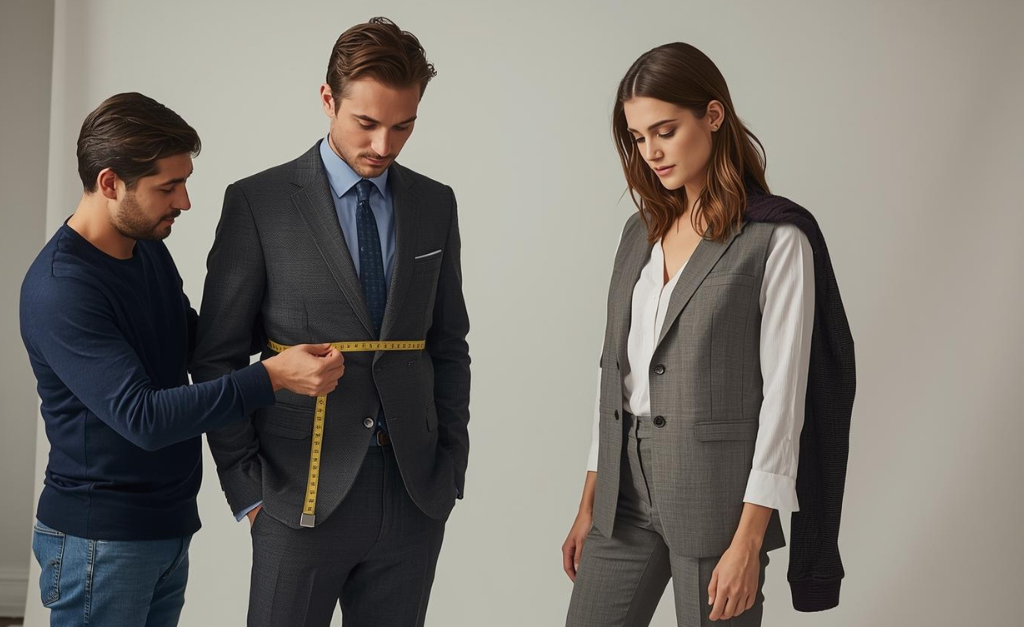
Fashion trends change every season.
New cuts, new colors, and new silhouettes appear on runways and social media, promising a better look and more confidence.
Many people follow these trends believing that the same clothes will work for them in everyday life.
But in reality, fashion trends often look impressive only on models.
When the same outfits are worn by real people, with different body shapes, heights, and daily routines, they frequently feel uncomfortable, unbalanced, or simply wrong.
This gap creates confusion and frustration, especially for people who blame their bodies instead of questioning the trend itself.
As a tailor, I see this problem every day.
Clothes do not fail because bodies are “imperfect.” They fail because most fashion trends are designed for visual impact, not for real human bodies.
A runway body and a working, moving, living body are not the same, and clothing must respect that difference.
This article explains why fashion trends fail on real bodies and how a tailor’s perspective, focused on fit, proportion, and body structure, offers a more practical and confident way to dress.
The Problem of Real People
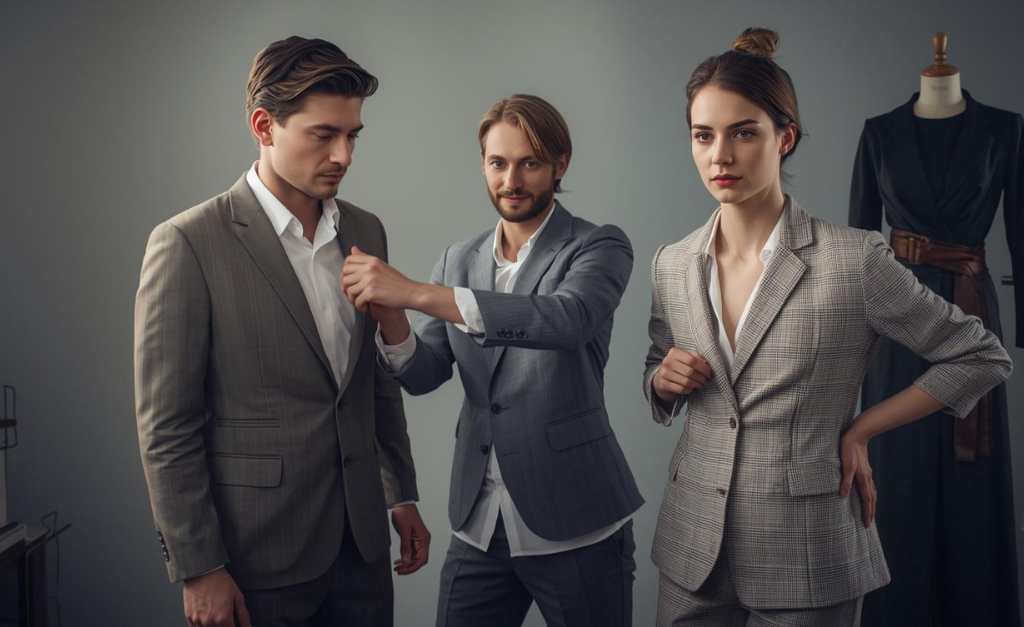
Fashion trends often create the impression that wearing a particular style will make everyone look attractive and confident.
In reality, this rarely happens.
Clothes that look impressive on fashion models frequently feel awkward or unbalanced on everyday people.
The reason is simple: most fashion trends are presented on idealized bodies that do not represent real human diversity.
Understanding this gap between fashion imagery and real bodies is the first step toward dressing better and making smarter clothing choices.
Runway Bodies vs Real Bodies
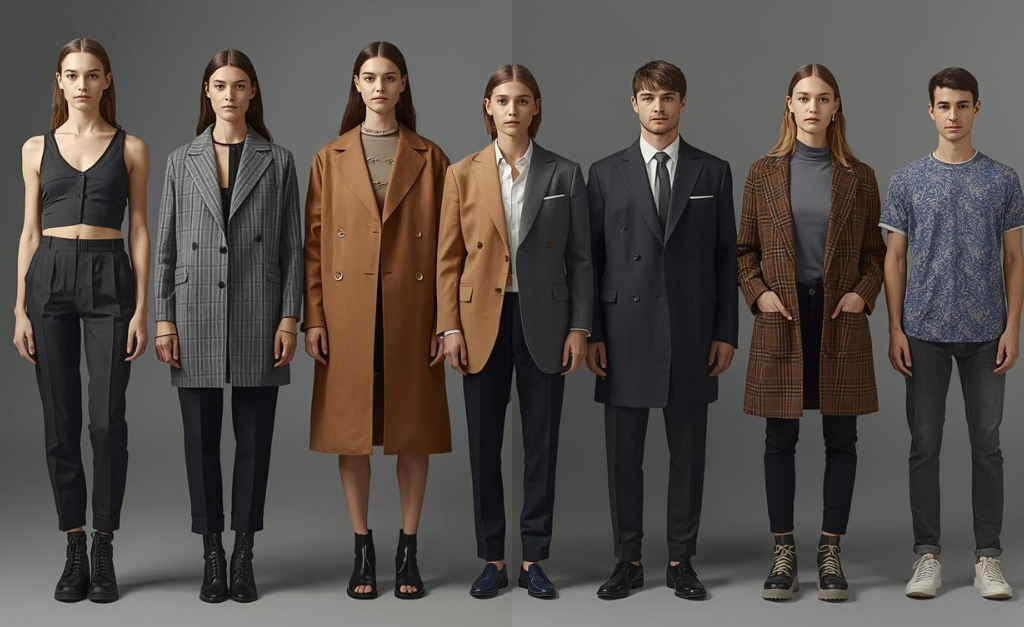
Fashion Models
Fashion trends are usually presented on models whose bodies are tall, straight, and naturally balanced.
Their weight distribution is even, and their proportions already match what the fashion industry calls “ideal.”
Because of this, clothes fall smoothly on them without much alteration.
However, these bodies do not represent everyday people, which explains why many fashion trends fail when worn by real bodies.
Real Bodies
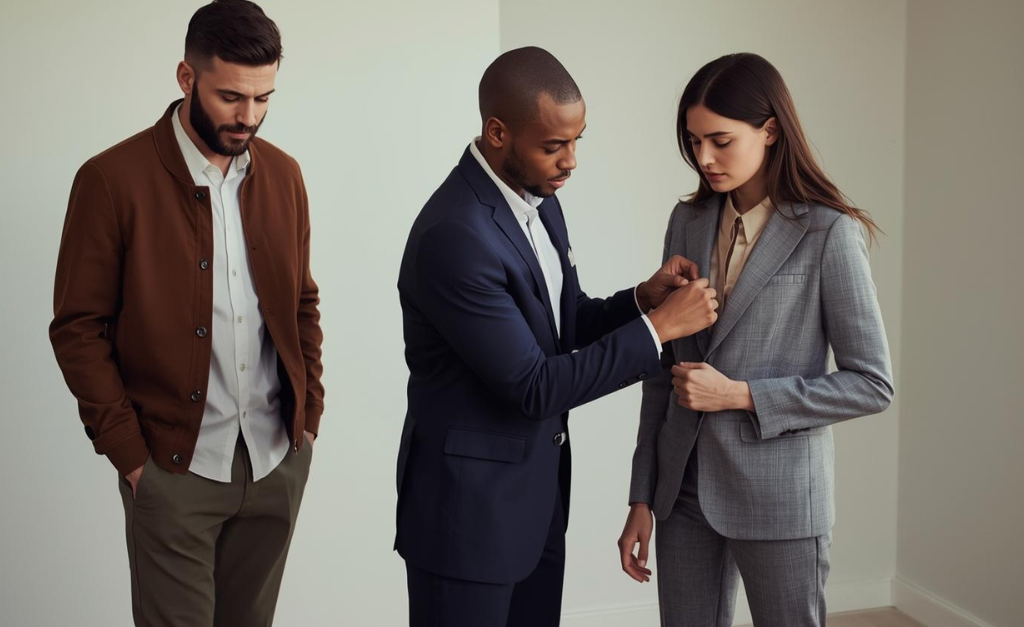
Fashion trends often ignore how real bodies actually function in daily life.
An everyday person works, sits, walks, bends, and moves throughout the day, unlike runway models who only stand and pose.
Over time, the human body naturally changes due to age, routine, and lifestyle. Because of these realities, the same outfit cannot look or feel identical on every body.
This is why understanding body structure matters more than blindly following fashion trends.
To understand this better, learning about your body shape helps explain why certain clothes work while others do not.
Designers’ Real Priority
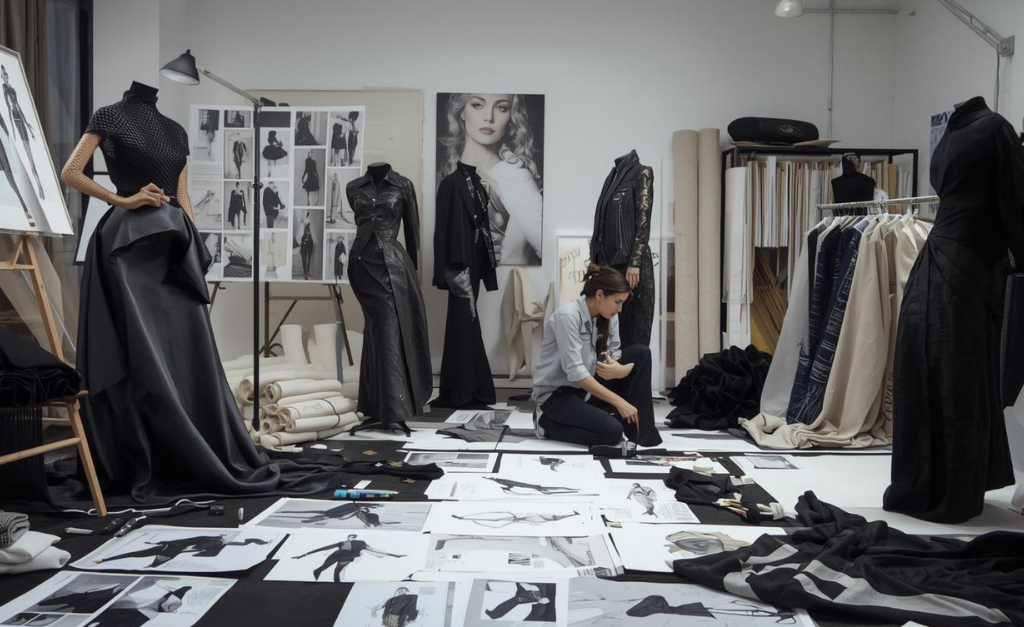
Fashion trends are created mainly for visual impact, not for real-life use.
Most fashion designers work in environments where clothing is judged by how it looks on a runway, in studio lighting, or on social media.
Their first priority is appearance, sharp lines, dramatic silhouettes, and eye-catching details that stand out instantly.
In this process, trends and market demand play a central role.
Designers are expected to produce something new every season, even if the human body and its needs have not changed.
As a result, comfort, movement, and long-term wearability often become secondary concerns.
Clothes are designed to be seen, not necessarily to be lived in.
Where Design Meets Its Limits
When these fashion designs move from the runway to real life, problems begin to appear.
Real people do not stand still like models.
They sit at work, walk long distances, bend, stretch, and repeat the same movements every day.
A design that looks elegant in a controlled setting can feel restrictive, awkward, or uncomfortable in normal use.
This is where fashion design shows its limits.
Without considering body structure, daily movement, and individual proportions, even the most stylish outfit can fail.
Fashion trends succeed visually, but they struggle when applied to real bodies with real routines.
This gap is exactly where tailoring becomes essential, because design alone is not enough.
Why Trends Fail

Real-Life Application
Fashion trends often fail when the same designs are applied to everyday bodies, daily routines, and diverse body shapes.
What looks balanced in a controlled runway setting loses its impact in real life, where people move constantly, sit for long hours, and need comfort as much as style.
A design created for posing struggles when it must perform during work, travel, and regular movement.
In addition, real bodies vary widely in proportion and structure.
When fashion trends ignore these differences, their original beauty fades.
The outfit may look stiff, awkward, or impractical, not because the body is wrong, but because the design was never meant to adapt.
This mismatch explains why trends that appear powerful in images often disappoint when worn by real people.
Tailor’s Perspective

What a Tailor Sees
Fashion trends focus on how clothes look, but a tailor focuses on how clothes work on the human body.
A professional tailor does not judge a garment by style alone. Instead, the evaluation begins with the body itself and how fabric interacts with it in real conditions.
A tailor looks at three key elements that fashion trends often ignore:
Body structure
Every body has a unique frame.
A tailor studies whether the body is straight, curved, broad, or narrow before deciding how a garment should sit.
Without understanding structure, even a trendy outfit can look unbalanced.
Proportion and balance
Shoulders, waist, and hips are rarely equal.
A tailor carefully observes their relationship to each other and adjusts the fit to restore visual balance.
Fashion trends usually assume ideal proportions, which most real bodies do not have.
Fabric movement and fall
Fabric is not static. It moves when a person walks, sits, or bends.
A tailor watches how the cloth falls, stretches, and responds to motion, ensuring comfort and natural flow, something runway designs rarely test in daily life.
These details explain where the real difference is created.
Fashion trends may define the look, but tailoring makes the clothing compatible with real bodies.
This is why garments adjusted by a skilled tailor often feel more confident, natural, and wearable than trend-based clothing worn as-is.
Making Clothes Work
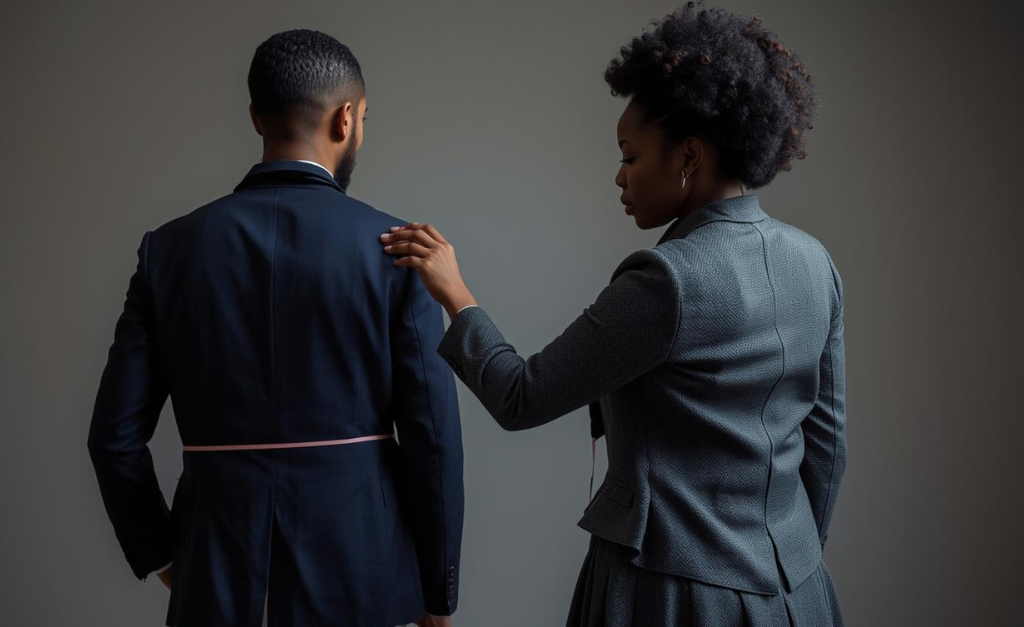
How a Tailor Transforms Clothing
Fashion trends may set the style, but a skilled tailor is what turns an ordinary garment into something special.
Tailoring is not about changing fashion; it is about correcting fit and aligning clothing with the human body.
Even a poorly fitting outfit can be improved when a tailor understands where and how to adjust it.
A good tailor corrects mistakes that mass-produced clothing often carries.
Loose shoulders are refined, excess fabric around the waist is shaped, and lengths are adjusted to suit posture and movement.
These changes help the garment follow the body instead of fighting against it.
More importantly, tailoring changes how a person feels.
When clothes fit properly, the body looks balanced, movement feels natural, and confidence increases without effort.
This is why the real transformation does not come from trends, labels, or prices, it comes from the tailor’s hands and understanding of the body.
Fashion vs Body
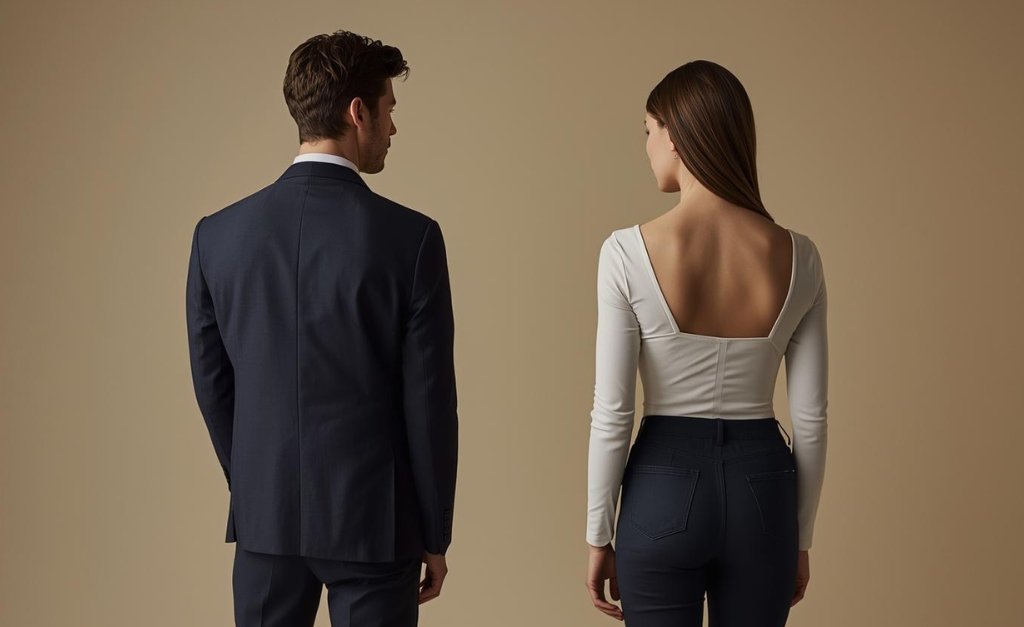
What Really Changes
Fashion trends change every year, sometimes every season.
New styles replace old ones, colors shift, and silhouettes are constantly redefined.
However, the basic structure of the human body does not change in the same way.
Shoulders, waists, hips, posture, and natural proportions remain largely consistent over time.
Problems begin when changing fashion trends are forced onto bodies that were never considered in the design process.
When trends are followed without understanding body structure, clothes start to feel uncomfortable, restrictive, or visually unbalanced.
This creates frustration, especially when people assume the problem lies in their body rather than in the trend itself.
In reality, this is not a failure of fashion alone.
It is a failure to understand the body.
When clothing choices ignore how the body actually works, even the most popular fashion trends lose their value.
Dressing well starts with respecting the body first, not chasing what changes every season.
Body-First Approach
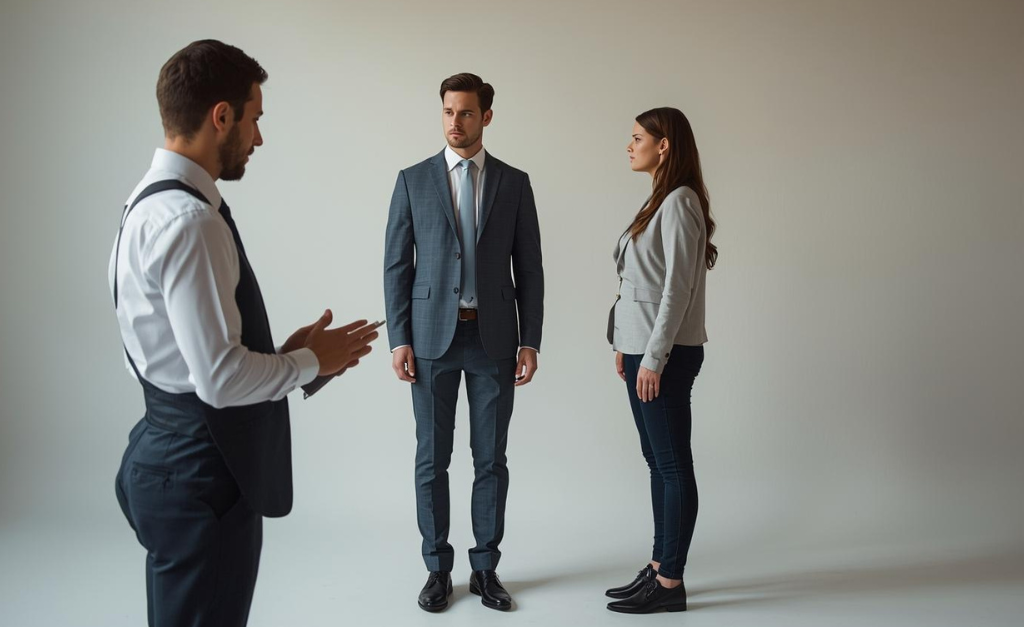
The My Tailor Purpose
Fashion trends are not something MyTailor aims to reject or fight against.
The purpose of MyTailor is to place the human body back at the center of clothing decisions.
Instead of telling people what is trending, MyTailor teaches people how to understand their own bodies before choosing what to wear.
Founded on real tailoring experience, MyTailor reflects the vision of Robin Eliezer, a professional tailor who has spent years working with real bodies, not models or mannequins.
The goal is simple but powerful: help people understand body shape, proportion, and fit so they can make smarter clothing choices.
When people understand how their body works, they stop wasting money on clothes that look good once but never feel right again.
MyTailor educates people to choose clothes based on structure, comfort, and longevity rather than seasonal trends.
This approach allows individuals to wear their clothes repeatedly with confidence, instead of constantly chasing new fashion.
By focusing on body awareness and fit, MyTailor promotes a healthier relationship with clothing, one that respects both the body and the value of money.
The true aim is not fashion consumption, but conscious dressing.
When the body leads the decision, style becomes personal, sustainable, and lasting.
This is how MyTailor helps people dress better, not by following trends, but by understanding themselves.
Final Thoughts
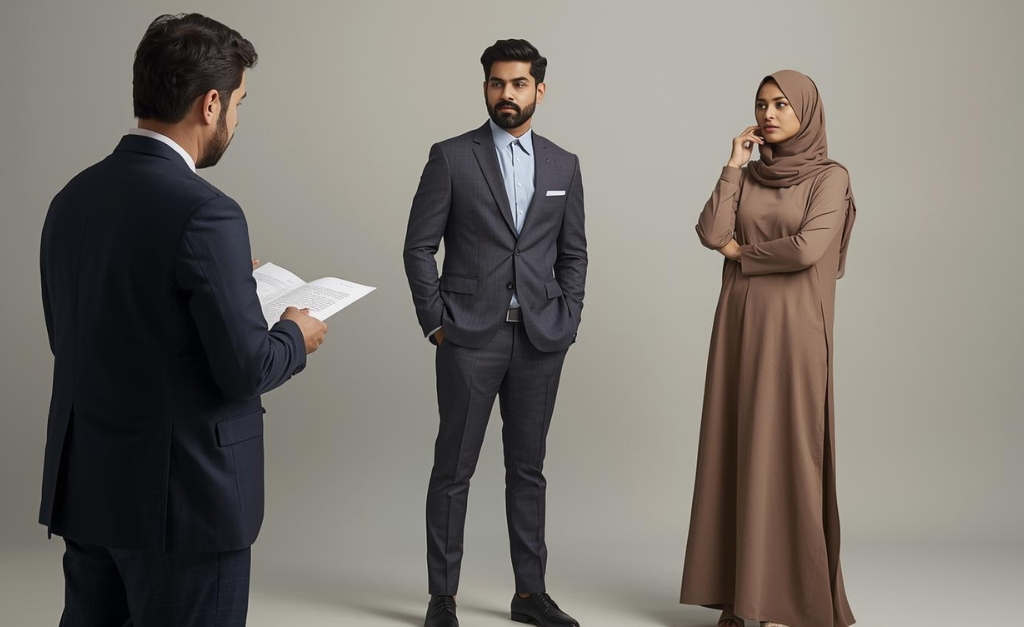
Understanding Over Following
Fashion trends will always exist, and they will continue to change with time.
That is not the problem. The real problem begins when people follow trends without considering fit, body shape, and tailoring knowledge.
When these essentials are ignored, fashion repeatedly fails on real bodies, leaving people disappointed, uncomfortable, and confused.
True style does not come from chasing what is new.
It comes from understanding what works.
A well-fitted garment respects the body, supports movement, and builds quiet confidence.
When clothes align with body structure rather than fighting against it, they stop feeling temporary and start feeling personal.
Real beauty is not created by trends alone.
It is created when the body is understood, the fit is correct, and clothing feels natural to wear again and again.
Fashion may inspire ideas, but understanding the body is what turns those ideas into lasting style.
This is where fashion stops being noise, and becomes meaningful.
For a deeper understanding of how body structure affects clothing fit, this Esquire guide explains why proportion and tailoring matter more than trends.